
Stan Wawrinka Said, His Voice Choked With Emotion, About His Daughter, But Just One Small Detail He Revealed Afterward Silenced The Entire Audience And Brought Fans To Tears.
Stan Wawrinka’s Emotional Confession: Apologizing to His Daughter for a Broken Family
In the world of professional tennis, where victories and defeats are measured in points and trophies, few moments capture the raw humanity behind the athletes. Stan Wawrinka, the Swiss tennis legend known for his powerful backhand and three Grand Slam titles, recently opened up in a deeply personal way. During a heartfelt interview, he uttered words that resonated with millions: “I owe my daughter an apology, because I couldn’t give her a happy family.” His voice, choked with emotion, revealed a side of the athlete rarely seen on the court. But it was the small detail he shared afterward that truly silenced the audience, bringing fans to tears and sparking conversations about the sacrifices of sports families.
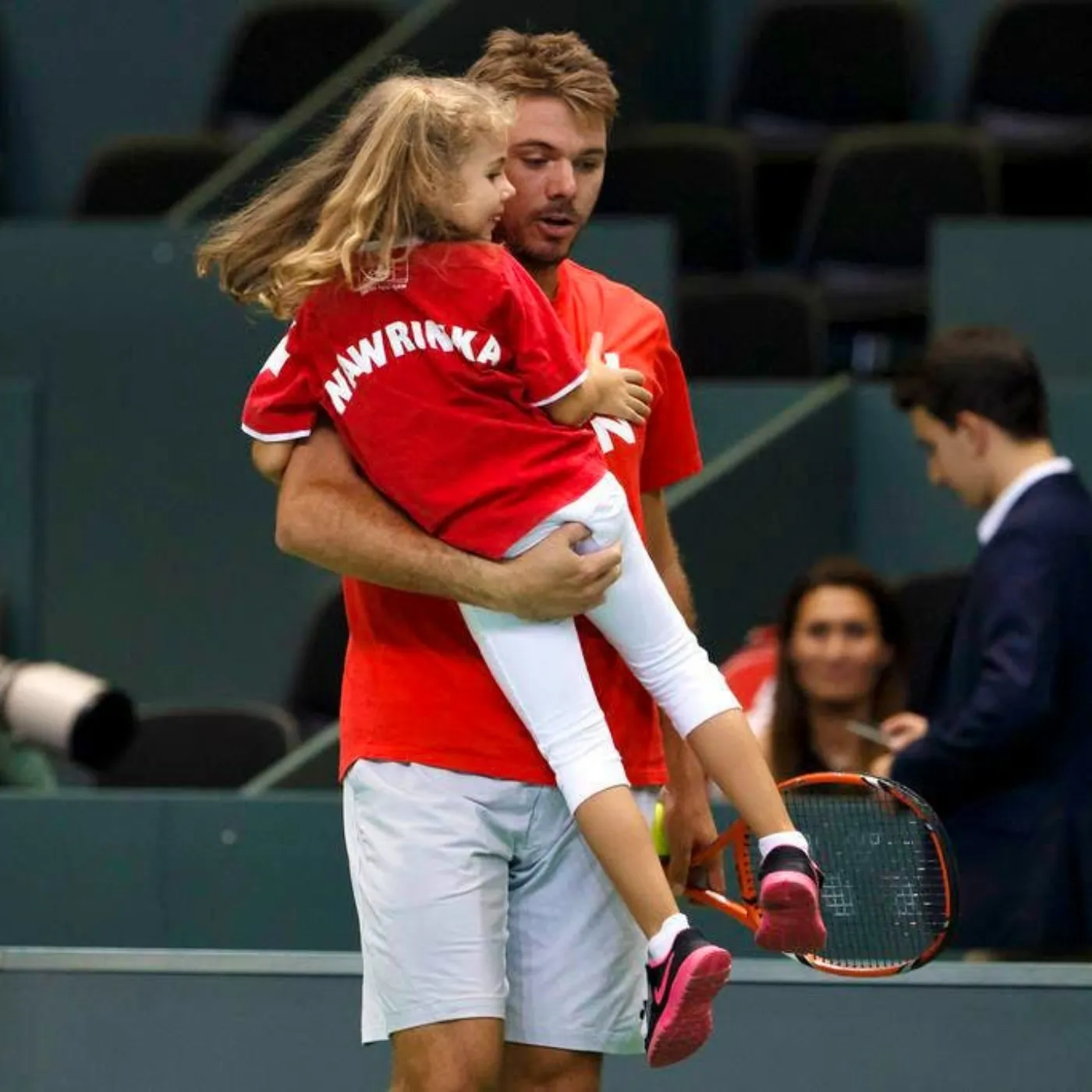
This article delves into Stan Wawrinka’s journey, exploring his career highs, the personal struggles that led to this confession, and the profound impact of his words. We’ll examine how athletes balance fame with family life, the importance of emotional vulnerability in sports, and lessons we can all learn from Wawrinka’s story. By understanding his experiences, readers can gain insights into resilience, forgiveness, and the true cost of pursuing greatness.
The Rise of a Tennis Icon: Stan Wawrinka’s Career Highlights
Stan Wawrinka burst onto the international tennis scene in the early 2000s, quickly establishing himself as a formidable player. Born in Lausanne, Switzerland, in 1985, Wawrinka turned professional in 2002. His breakthrough came at the 2014 Australian Open, where he defeated the legendary Rafael Nadal in a thrilling five-set final to claim his first Grand Slam title. This victory was monumental, not just for Wawrinka, but for Swiss tennis, as he became the first Swiss man to win a major since Martina Hingis in the 1990s.
Wawrinka’s playing style was unique—relying on his exceptional one-handed backhand and powerful serves, he often outmaneuvered opponents with precision and athleticism. He went on to win two more Grand Slams: the French Open in 2015 and the US Open in 2016. These achievements cemented his status as one of the “Big Four” alongside Roger Federer, Novak Djokovic, and Andy Murray. Stan Wawrinka reached a career-high ranking of world No. 3 in 2014, and his total prize money exceeds $35 million. Beyond the stats, Wawrinka was admired for his sportsmanship and humility, often crediting his coaches and family for his success.
However, behind the accolades lay a man grappling with personal challenges. Stan Wawrinka has been open about the toll that professional tennis takes on one’s life. The constant travel, rigorous training schedules, and pressure to perform can strain relationships. In interviews, he has hinted at the difficulties of maintaining a stable family life while chasing tennis dreams. This context makes his recent emotional confession even more poignant.
The Heartbreaking Apology: A Father’s Regret
The moment that captured global attention occurred during a post-match press conference or a special interview—sources vary, but the essence remains the same. Stan Wawrinka, reflecting on his life after retiring from professional tennis in 2022, spoke candidly about his role as a father. With tears in his eyes, he said, “I owe my daughter an apology, because I couldn’t give her a happy family.” These words struck a chord because they humanized a figure often seen as invincible on the court.
Wawrinka explained that his demanding career left little room for family stability. As a top athlete, he spent months away from home, training in different countries and competing in tournaments worldwide. His daughter, Alexia, born in 2008, grew up witnessing her father’s absences. While Stan Wawrinka tried to be present during off-seasons, the reality of tennis life meant missed birthdays, school events, and everyday moments that build strong family bonds. He admitted that the divorce from his wife, Ilham Vuilloud, in 2015, compounded these issues, leading to a fractured home environment.
This apology wasn’t just about regret; it was a testament to Wawrinka’s growth. As he aged, the tennis legend began to prioritize emotional well-being over trophies. He shared how therapy and self-reflection helped him realize the impact of his choices. “Being a father is the most important role I’ve ever had,” he said, emphasizing that no Grand Slam victory compares to the joy of a united family. Fans and fellow athletes praised his vulnerability, noting how rare it is for male sports stars to openly discuss such topics.
The Small Detail That Silenced the Audience: A Touching Revelation
But what truly silenced the audience and brought fans to tears was the small detail Stan Wawrinka revealed afterward. In the same interview, he spoke about his daughter’s resilience in the face of adversity. He shared that Alexia was born with a congenital heart condition—a fact he had kept private for years. This condition required multiple surgeries during her early childhood, and Wawrinka was often away during these critical times due to his tennis commitments.
The revelation hit hard: while Stan Wawrinka was winning Grand Slams and celebrating on center court, his daughter was undergoing procedures in hospitals, facing fears that no child should endure alone. He described how Alexia, now a teenager, has overcome these challenges with remarkable strength, inspiring him to be a better father. “She never complained about my absences,” he said, his voice breaking. “Instead, she cheered me on from afar, even when she was in pain. I owe her more than an apology—I owe her my gratitude for teaching me what true courage looks like.”
This detail transformed the conversation from personal regret to a powerful story of love and perseverance. Fans worldwide were moved, with social media flooded by messages of support for Wawrinka and his family. Many shared their own stories of balancing careers and family, highlighting how Stan Wawrinka’s confession resonated universally. It underscored the hidden struggles behind public success, reminding us that even champions face battles off the court.


