
When one reflects on the past two decades of motoring — the dramatic shift from internal‑combustion engines to electric vehicles (EVs) — few figures stand out quite like Quentin Willson. Once a familiar face on the original Top Gear, Willson has long since transformed into a passionate advocate for electric motoring, and looking back today it’s clear he was astonishingly ahead of his time. It is perhaps no exaggeration to label him a “national treasure” of the automotive world.
A Foreseeing Voice in Motoring
Back in the 1990s, when combustion engines still dominated and electric cars seemed fringe at best, Willson was already experimenting with battery‑power. His personal archive shows he was “one of the first journalists to drive GM’s EV1 in 1996” and has since owned multiple electric cars, clocking tens of thousands of miles. (quentinwillson.co.uk)
Reflecting on the future, Willson once boldly stated:
“Electric cars are not a niche. They are the future, and anyone ignoring them is ignoring the next revolution in motoring.”
This declaration, made well over a decade ago, now reads almost prophetic. At a time when many dismissed EVs as impractical or gimmicky, Willson saw clearly that the automotive world was on the brink of a fundamental transformation.
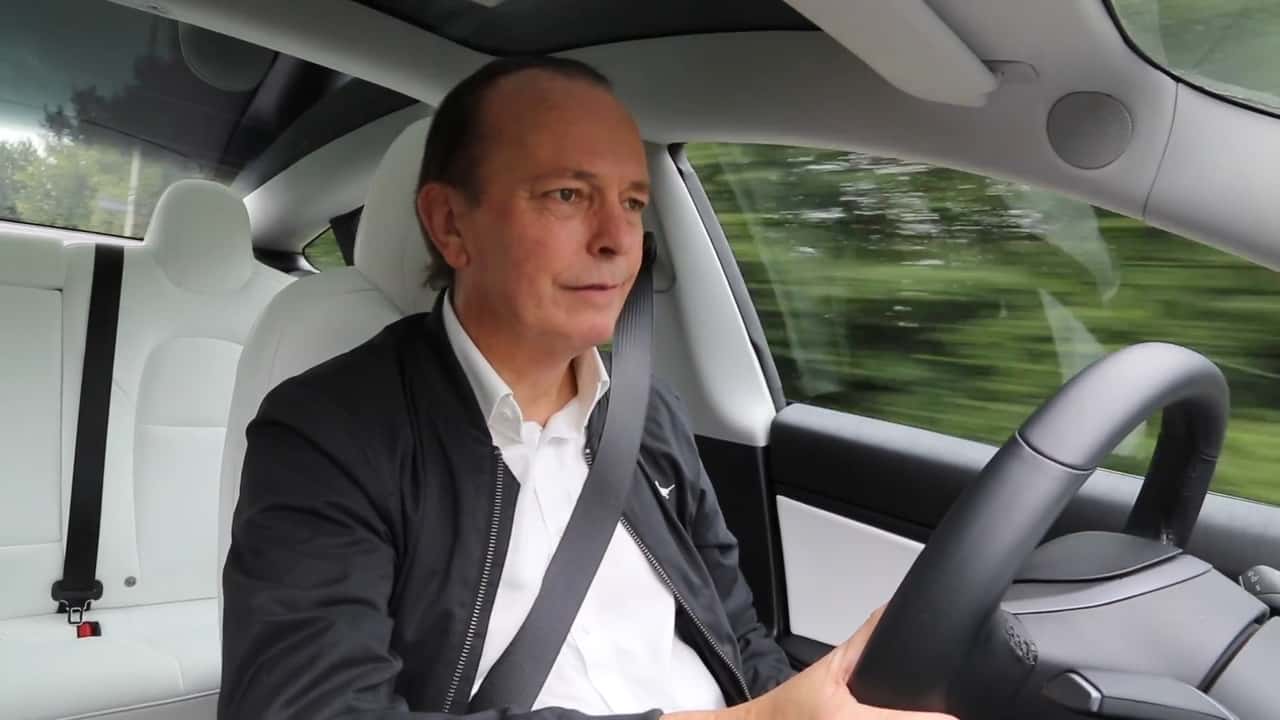
From Presenter to EV Campaigner
Willson’s journey from presenter to campaigner is especially noteworthy. On Top Gear and later programmes he established credibility with audiences. But rather than rest on his broadcast laurels, he used his platform to drive public discourse around electric vehicles. He provided evidence to government committees, advocated for infrastructure investment and challenged fossil‑fuel inertia.
Why His Prediction Looks Astonishingly Accurate
Today, the automotive world is indisputably shifting toward electrification — battery‑powered vehicles, charging networks, governments phasing out petrol/diesel cars. Willson’s insight and early work make him seem remarkably prescient. For example:
-
He questioned the practicality of mass switching away from petrol/diesel as early as 2017, pointing out how infrastructure, battery range and supply lines would pose immense challenges.
-
More recently he projected that EVs would dominate by around 2033 if momentum held — a bold but increasingly plausible timeline. His debunking of myths — “EVs catch fire”, “batteries won’t last”, “range anxiety kills adoption” — has proved predictive of the issues consumers confront even now.
Impact and Legacy
Willson’s impact is two‑fold: as a broadcaster he reached large audiences; as an advocate he helped shift public and political attitudes. His voice added legitimacy to EVs at a time when many dismissed them. The fact that major automakers, governments and infrastructure providers are now serious about electrification underscores how early he began pushing this agenda. While he may not ‘invent’ the EV revolution, his role as early adopter, commentator and campaigner puts him in the role of a trail‑blazer.
Why “National Treasure” Fits
Calling him a “national treasure” is more than hyperbole. In the UK motoring landscape:
-
He used his platform to provoke beneficial change in consumer rights (as he did with new car pricing).
-
He foresaw a transformation in how we drive, own and think about cars.
-
His work helped normalise electric driving long before it was fashionable.
-
He remains credible, well‑researched and able to bridge pop‑culture (Top Gear) and serious advocacy (policy, infrastructure).
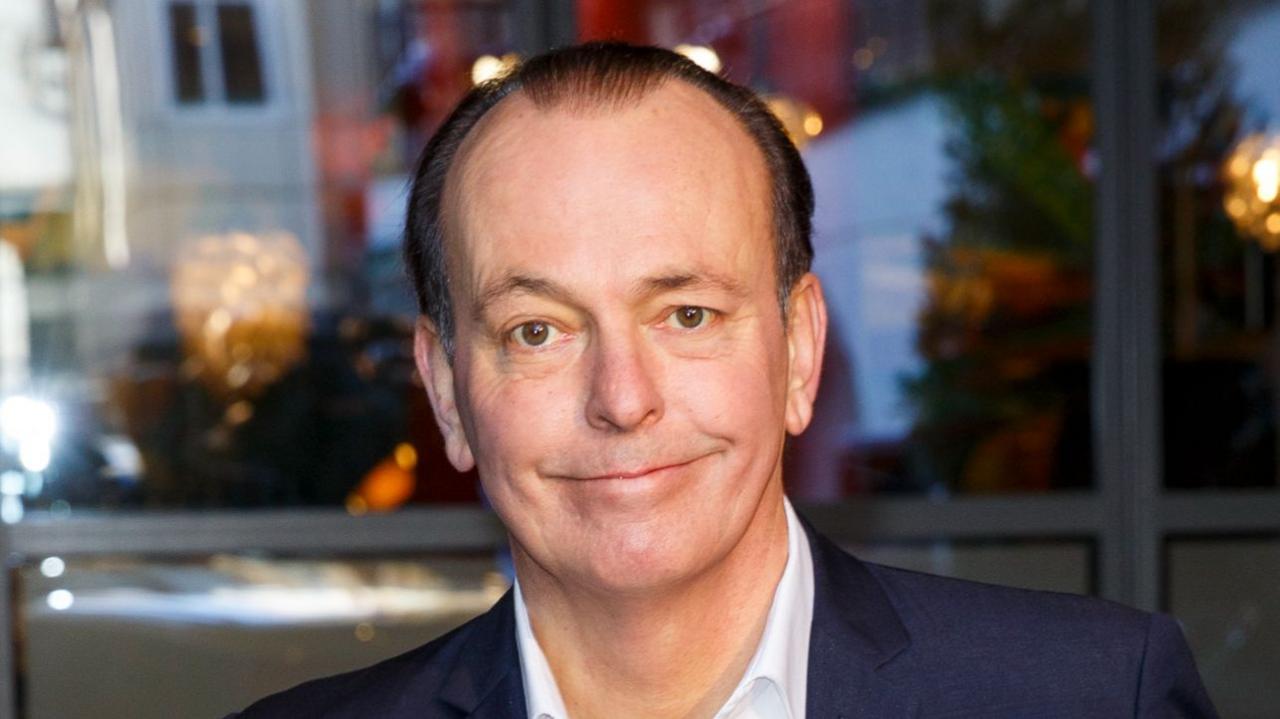
Conclusion
Two decades ago, most motoring commentators were still focused on petrol vs diesel, speed, horsepower and legacy brands. Quentin Willson looked up, saw the horizon of battery‑electric mobility and began building arguments and experience to support it. Standing today in the midst of the EV turn‑point, we can say his prediction was astonishingly accurate — and that his voice deserves recognition as part of the story of automotive change. He is, in every sense, a national treasure of motoring.


