
Man Utd’s Bold Gamble: Offering Kabi Mainoo + Cash for Real Madrid Star Valverde
Manchester United have been no strangers to bold moves in the transfer market, but the latest rumor surrounding the club has left fans divided and pundits buzzing.
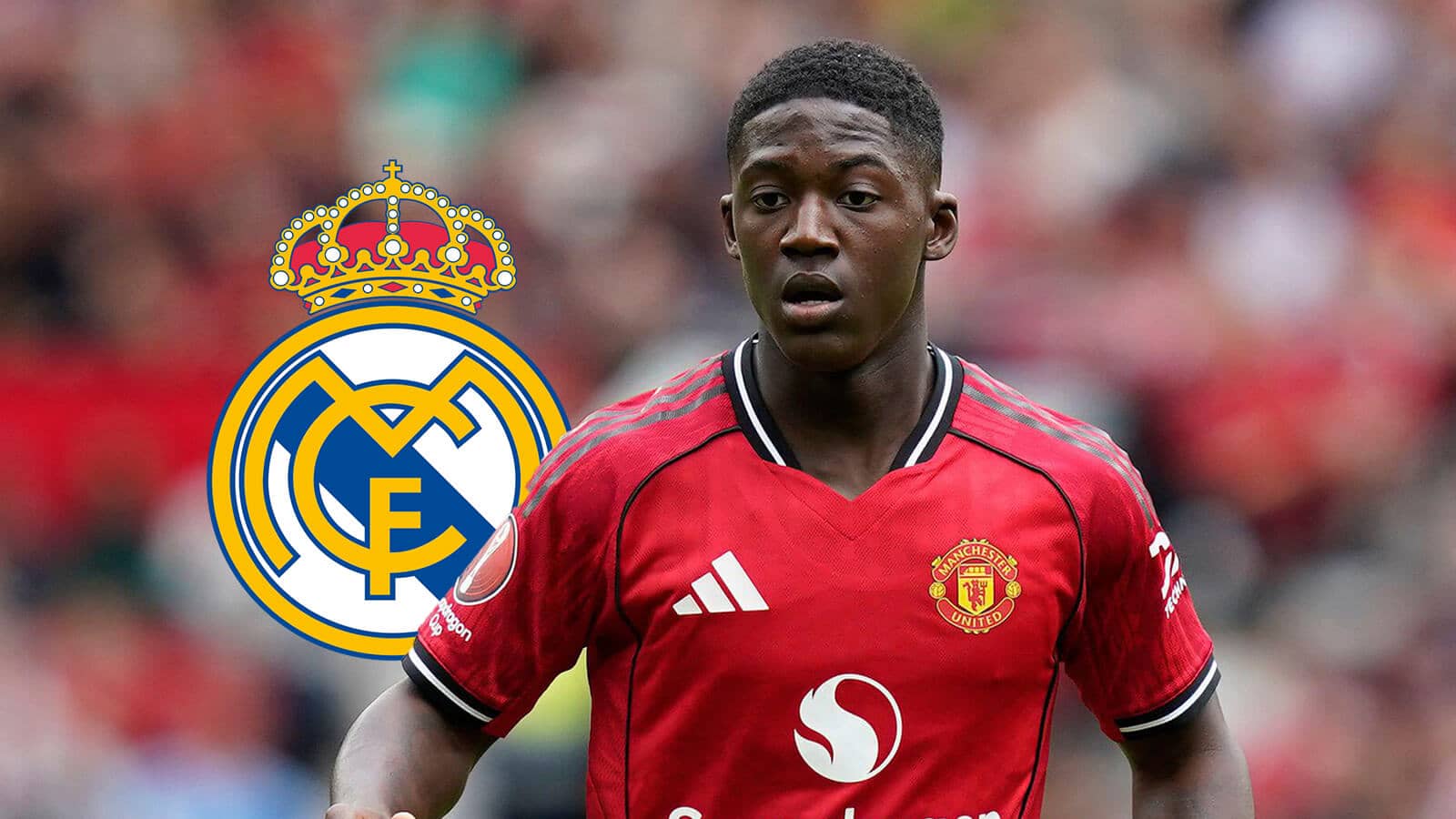
Reports suggest that United are prepared to offer rising academy star Kabi Mainoo along with a significant cash sum to lure Real Madrid’s Federico Valverde to Old Trafford.
The potential deal, if true, could redefine the club’s strategy and priorities—but at what cost?
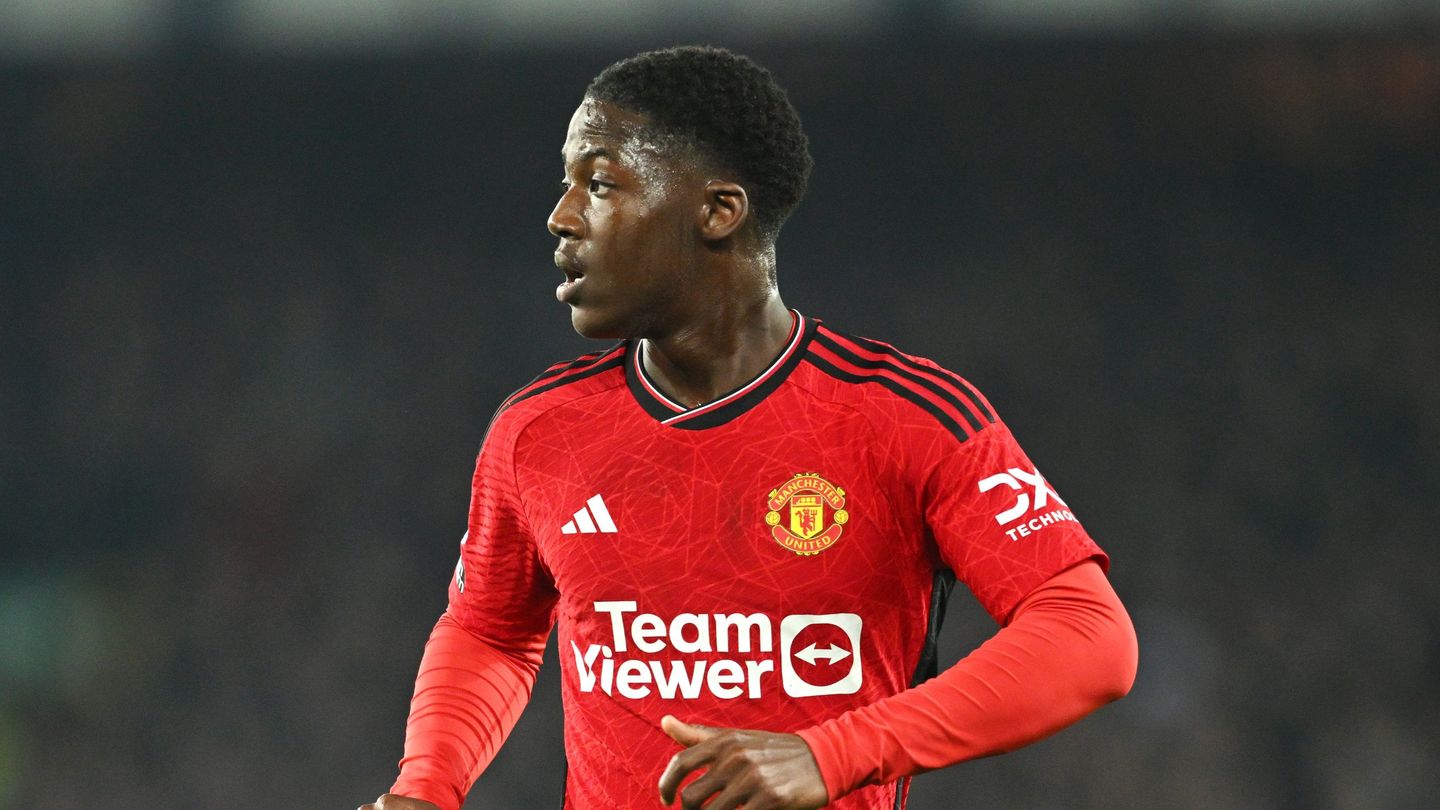
Kabi Mainoo, a 19-year-old midfielder, is not just another prospect.
He symbolizes the essence of Manchester United’s storied academy system, a beacon of hope for fans who cherish the tradition of nurturing homegrown talent.

Mainoo broke into the first team during a period of midfield struggles, showcasing maturity far beyond his years.
His performances earned him the admiration of supporters and even caught the attention of England’s national team scouts.
For many, Mainoo represents the future of United—a player who understands the club’s values and fights for the badge.
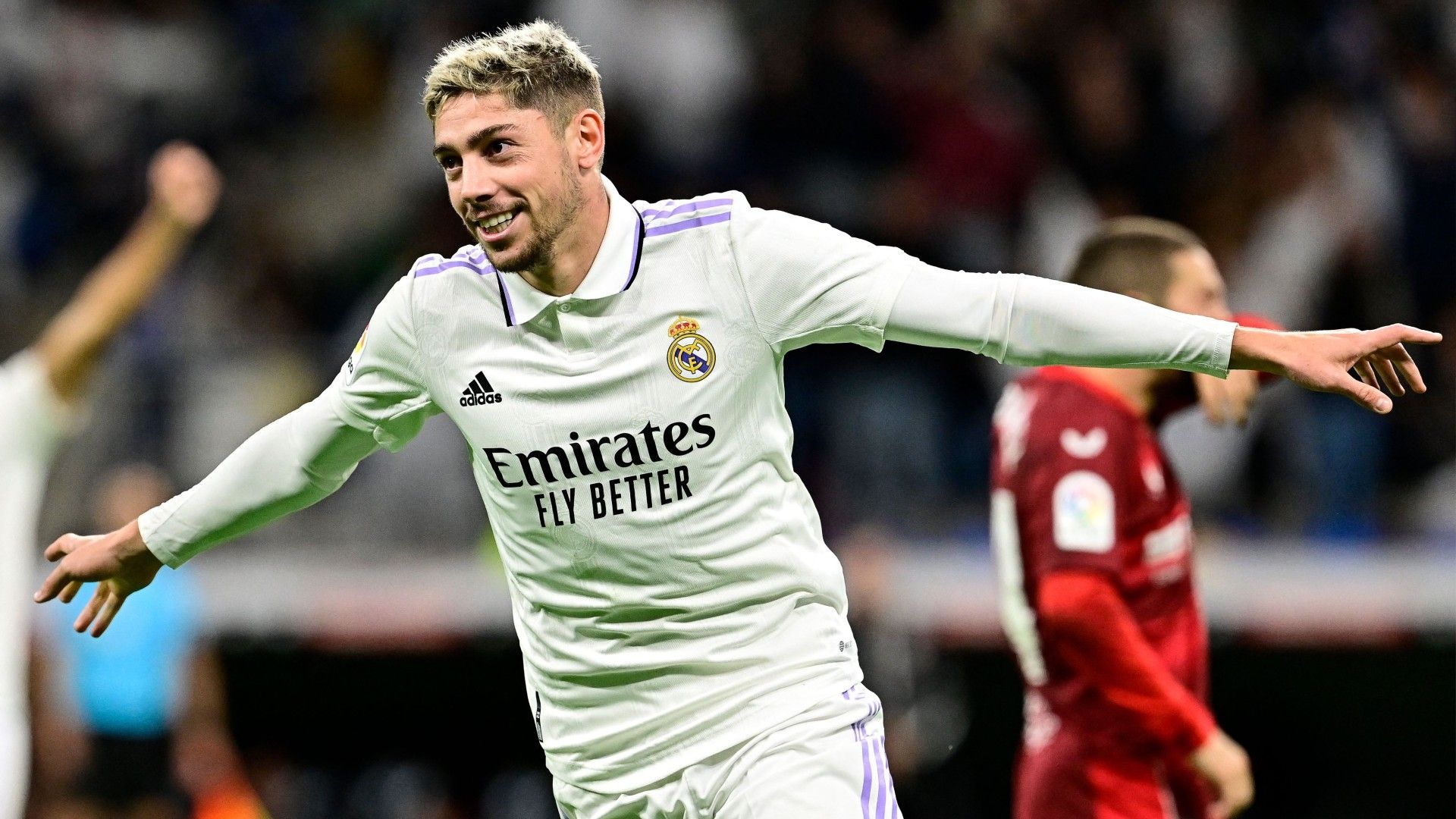
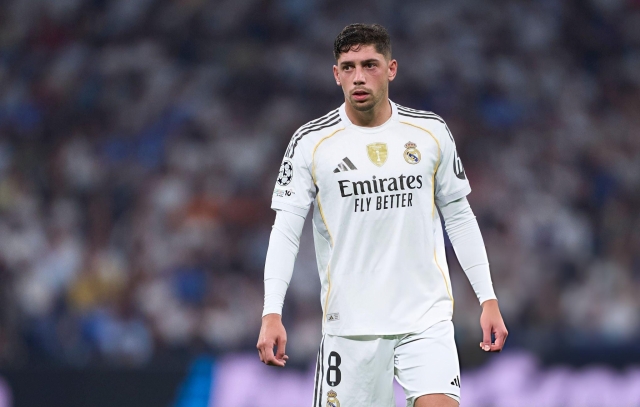
On the other side of this potential deal is Federico Valverde, one of the most complete midfielders in world football.
At 26 years old, Valverde is entering his prime, boasting a skill set that includes defensive prowess, attacking flair, technical ability, and unmatched stamina.
He has thrived at Real Madrid, contributing to their domestic and European successes, and has proven he can perform under the highest pressure.
Valverde’s experience in Champions League finals and El Clásicos brings a winning mentality that Manchester United desperately need.
The logic behind United’s reported willingness to part with Mainoo is clear: Valverde would instantly upgrade their midfield, a position that has been a glaring weakness for the club.
Casemiro, once seen as the answer to United’s midfield problems, has struggled to maintain his form in the demanding Premier League.
Beyond Casemiro and Mainoo, United’s midfield options lack the quality and depth needed to compete with top teams like Manchester City and Arsenal.
Valverde’s arrival would address these issues, potentially transforming United into genuine title contenders.
However, the emotional and cultural implications of trading Mainoo for Valverde cannot be ignored.
Mainoo is not just a promising young player; he represents the club’s identity.
Fans have a special connection with academy graduates who understand the club’s history and values.
Losing Mainoo would feel like a betrayal of United’s traditions, a move that prioritizes short-term success over long-term development.
For many supporters, the idea of sacrificing a homegrown talent for an expensive signing is hard to swallow.
Real Madrid’s stance on the matter adds another layer of complexity.
Reports indicate that the Spanish giants have no intention of selling Valverde, who they see as a key player for their future.
Real Madrid president Florentino Pérez is notoriously reluctant to part with essential players, especially to clubs that could become rivals in European competition.
Valverde’s contract situation and his importance to Madrid’s plans make any potential deal seem unlikely.
Even if Madrid were tempted by a significant offer, they would face the daunting task of finding a replacement for Valverde.
Quality midfielders of his caliber are rare and expensive, and Madrid might prefer to keep what they have rather than gamble on an alternative.
This makes the reported willingness to include Mainoo in the deal financially logical for United but emotionally devastating for fans.
The fan base is already divided over the rumors.
Some argue that signing Valverde would be a masterstroke, a ruthless decision that shows United are serious about winning trophies.
These supporters believe proven quality should take precedence over sentimental attachment to young players.
Others are horrified by the idea of trading Mainoo, seeing it as a betrayal of United’s values and a mistake that could haunt the club for years.
A third group of fans is torn, recognizing Valverde’s immediate impact while mourning the potential loss of Mainoo’s long-term promise.
From a tactical perspective, the swap would also have significant implications.
Mainoo and Valverde are different types of players, and their profiles would require adjustments to United’s playing style.
Manager Ruben Amorim would need to consider how each player fits into his preferred system.
Valverde’s versatility might suit certain formations better, but Mainoo’s energy and dynamism offer a different kind of value.
The decision is not just about individual quality but about how each player complements the team’s overall strategy.
The broader context of this potential transfer speaks volumes about Manchester United’s current priorities.
The willingness to trade Mainoo for Valverde suggests a “win-now” mentality, prioritizing immediate success over long-term planning.
This approach might reflect pressure from fans, owners, or Amorim himself to deliver results quickly.

However, it raises questions about the sustainability of such a strategy.
Building a team around expensive signings might not be financially viable in the long term, especially with Financial Fair Play regulations becoming stricter.
United’s history offers lessons on the risks and rewards of such decisions.
The club has seen success with veteran signings like Robin van Persie and Zlatan Ibrahimović, who made immediate impacts despite being in the later stages of their careers.
On the flip side, United have also regretted selling promising young players too early, as seen with talents like Jadon Sancho and Ángel Gomes.
Balancing the need for experienced stars with the development of academy graduates has always been a delicate task.
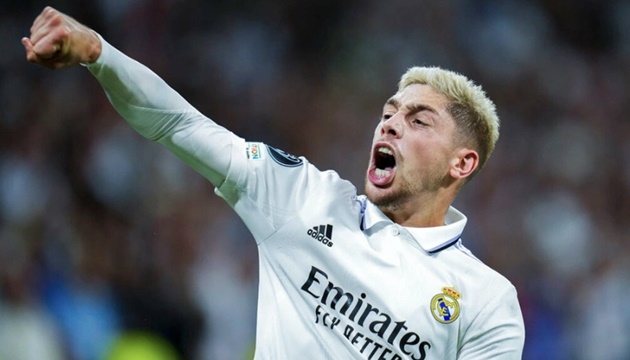
The reported interest in Valverde reveals the tension between ambition and tradition at Old Trafford.
If United are serious about competing with the world’s best teams, they need world-class players in key positions.
Valverde would undoubtedly provide that.
But they also need to maintain their identity as a club that believes in young talent and builds for the future.
The challenge lies in finding the right balance between these competing priorities.
Ultimately, the decision will have far-reaching implications.
Get it right, and United could lay the foundation for sustained success.
Get it wrong, and they risk sacrificing their future for short-term gains that may never materialize.
For fans, the potential deal raises uncomfortable questions: Are United willing to compromise their values for success?
Or should they stick to their principles, even if it means taking longer to achieve their goals?
As the transfer window progresses, this saga will continue to unfold, offering insight into Manchester United’s evolving identity.
Whether the deal happens or not, it highlights the club’s struggle to navigate the complexities of modern football.
For now, all eyes are on Old Trafford, waiting to see whether ambition or tradition will prevail.


