
“WHAT REALLY GIVES HER THE EDGE?” — Sarina Wiegman’s Reign Over the Ballon d’Or Coach Race Faces Growing Scrutiny
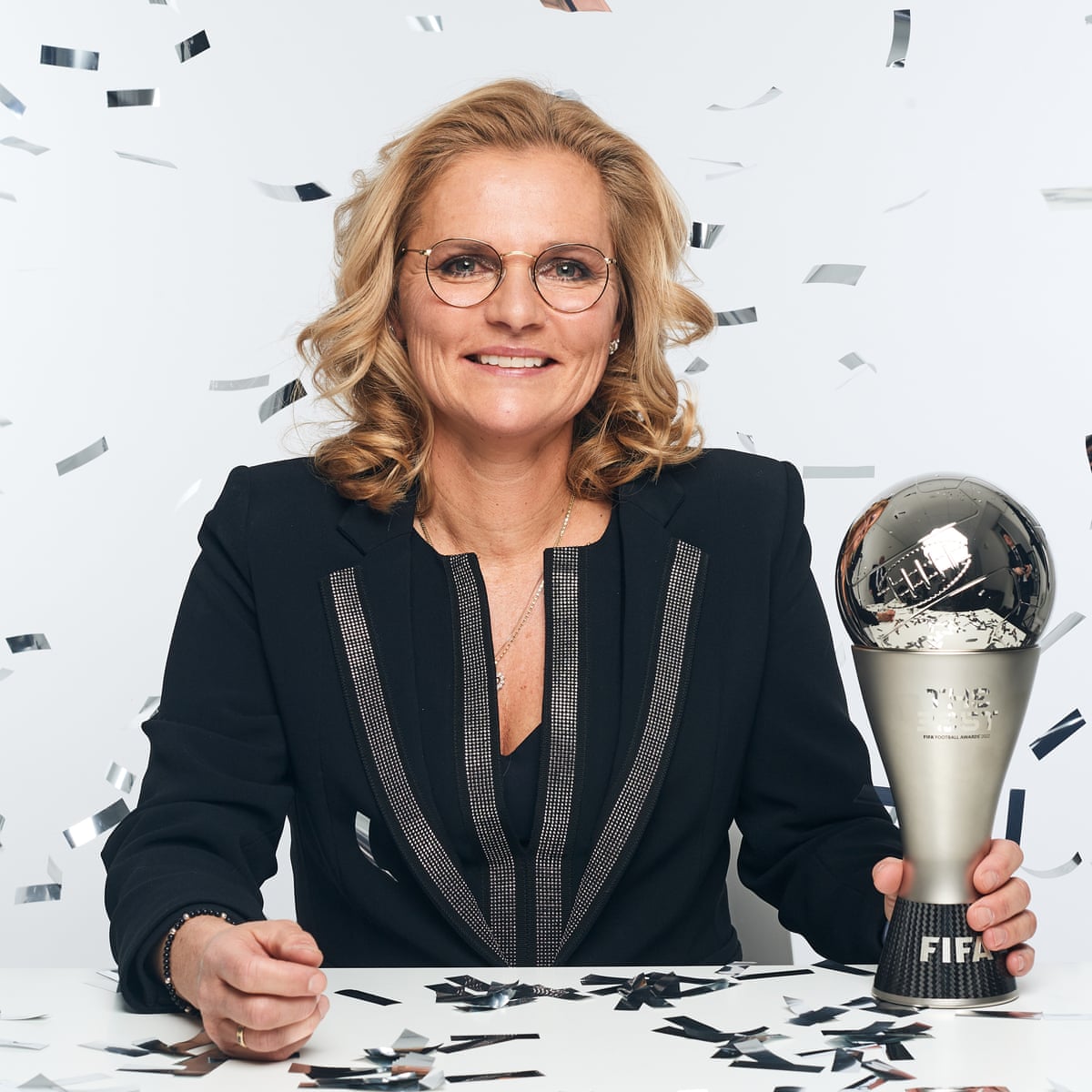
As the Ballon d’Or 2025 nominees for Women’s Team Coach of the Year are announced, one name feels as inevitable as the trophy itself: Sarina Wiegman.
She’s no stranger to the shortlist — in fact, her presence has become a fixture. With her high-profile success leading both the Netherlands and England in recent years, it’s no surprise she’s back in contention. But this year, the tone surrounding her nomination has shifted. What was once seen as deserved applause is now drawing whispers of doubt, and some are asking a pointed question:
What really gives her the edge — current performance or past prestige?
A Legacy of Success — But at What Cost?
Wiegman’s coaching CV is arguably unmatched in the women’s game. She guided the Netherlands to a UEFA Women’s Euro title and a World Cup final, and then did nearly the same with England. Her leadership brought the Lionesses their first major international trophy and elevated the team to global contenders.
But critics say 2024–2025 wasn’t her strongest year.
England’s performances have been inconsistent. A surprising early exit in the Olympic qualifiers and underwhelming friendly results have left fans with more questions than confidence. The team’s tactical edge — once razor-sharp — seemed dulled in the face of rising challenges from Spain, France, and even less-heralded squads like Colombia.
So why is Wiegman still among the top contenders?
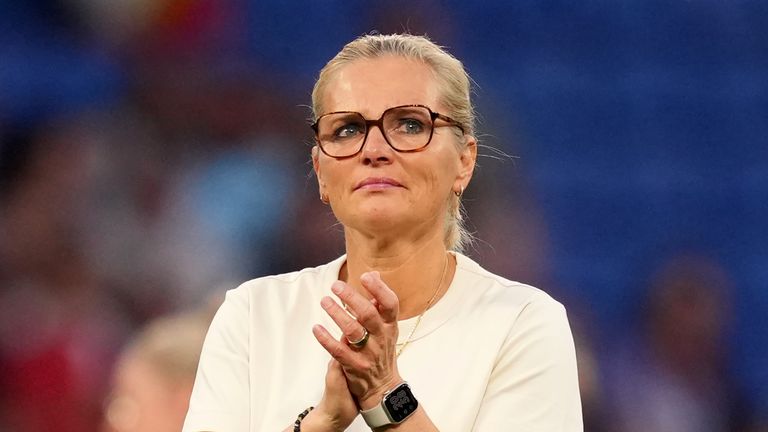
Is It Still About Coaching — Or Branding?
Some argue that Wiegman’s name has become more than just a coaching label; it’s a brand in itself.
“She’s one of the most recognizable figures in women’s football,” one analyst noted. “But when was the last time her tactics genuinely surprised or outclassed an elite opponent?”
Behind closed doors, there’s quiet speculation that her consistent inclusion in the Ballon d’Or conversation says more about legacy bias than present-day achievement.
Meanwhile, coaches like Sonia Bompastor, Emma Hayes, and Jonatan Giráldez have orchestrated arguably more innovative or successful campaigns this year — but don’t command the same media gravity.
The Pressure of Perfection
Wiegman’s own legacy might now be her biggest burden. She’s judged not by the same standard as others — but by the towering expectations she built for herself.
For any other coach, a moderately successful season might go unnoticed. For Wiegman, anything less than a title is seen as decline. And that pressure isn’t just external — it’s baked into how voters perceive greatness.
Has the bar for her become unrealistically high — or is she coasting on her past?
The Verdict Is Still Out
As the Ballon d’Or voting nears, the question remains unanswered:
Is Sarina Wiegman still the best coach in the world right now — or just the most familiar name?
There’s no denying what she’s accomplished. But in a year where the women’s game has seen dynamic tactical shifts, emerging nations, and breakout coaching talents, Wiegman’s continued dominance on the shortlist is starting to raise eyebrows.
Whether she wins or not, her nomination has once again reignited a deeper debate about what the Ballon d’Or should reward: momentum or legacy?
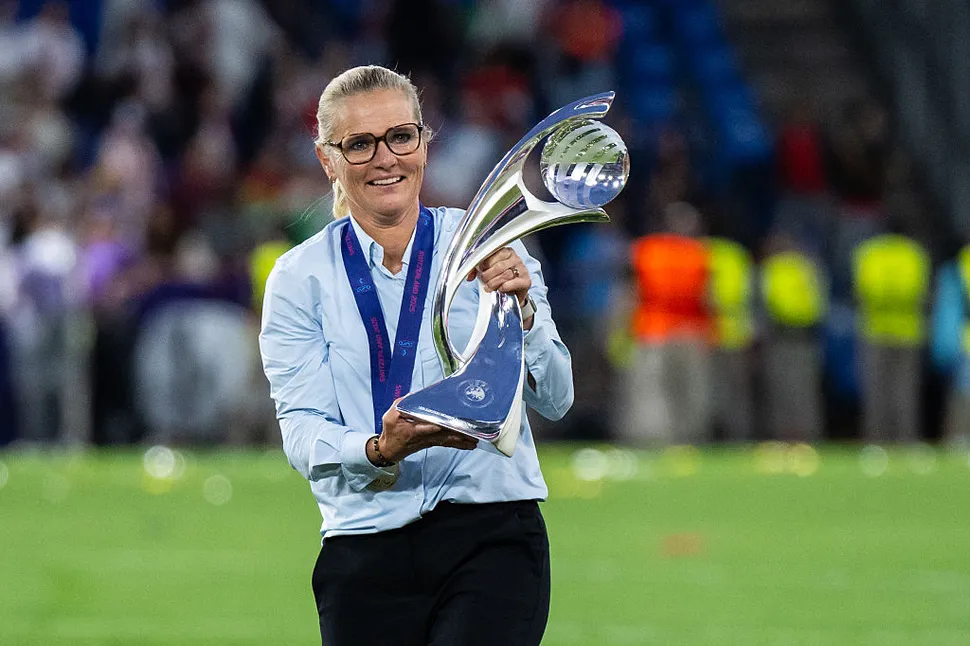
So, what really gives her the edge?
Maybe it’s time we looked beyond the name and into the moment.


